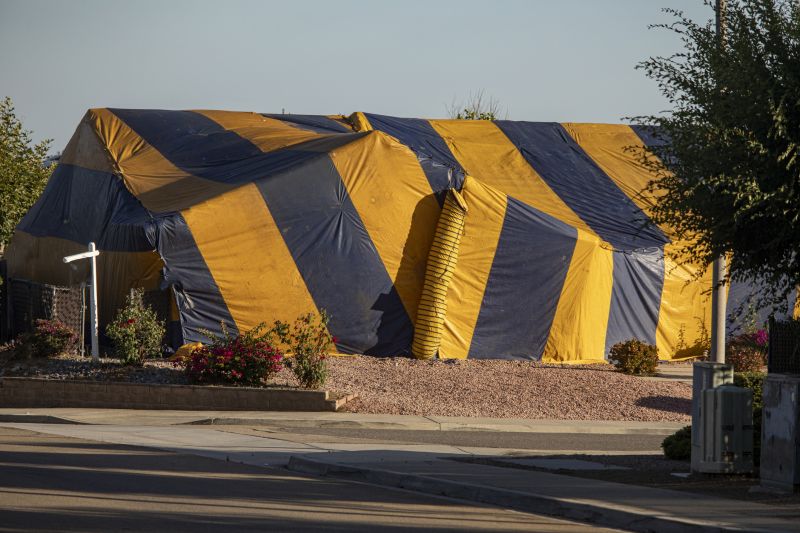
Termite Tenting in San Antonio, TX
Termite tenting services involve enclosing a property in a specialized tent and applying a fumigant to eliminate termite colonies that reside within the structure. This method is typically used for severe infestations or when other treatment options are not effective, covering entire homes, apartments, or commercial buildings. Property owners should understand that the process requires temporarily evacuating the premises, and the property must be prepared according to specific guidelines to ensure safety and effectiveness.
Before requesting termite tenting, homeowners often want to know about the necessary preparation steps, the duration of the treatment, and any post-treatment safety precautions. It is also common to inquire about the areas of the property that will be affected, such as furniture or plants, and whether additional treatments are needed to address ongoing pest concerns. Understanding these details can help property owners plan accordingly and ensure the treatment process proceeds smoothly.
Many property owners in San Antonio, TX look into Termite Tenting for repairs, replacements, upgrades, and appearance-related improvements.
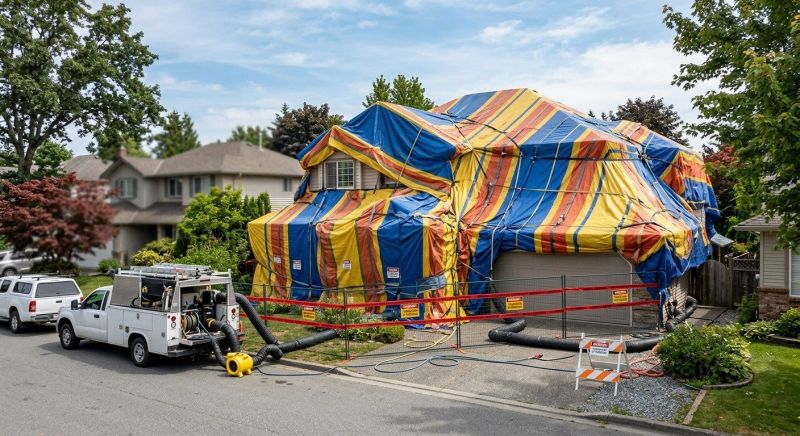
Effective Termite Treatment
Tenting creates a sealed environment to eliminate termites throughout the structure.
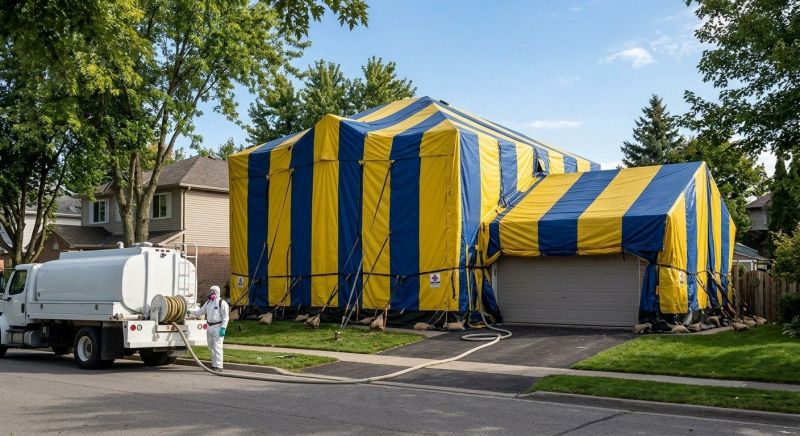
Property Protection
Termite tenting helps safeguard homes and buildings from costly infestations.

Post-Treatment Safety
Properly conducted tenting ensures the safety of residents and the longevity of the property in san antonio, tx.
Termite Tenting in San Antonio, TX

Termite tenting services involve enclosing a property in a specialized tent and applying a fumigant to eliminate termite colonies that reside within the structure. This method is typically used for severe infestations or when other treatment options are not effective, covering entire homes, apartments, or commercial buildings. Property owners should understand that the process requires temporarily evacuating the premises, and the property must be prepared according to specific guidelines to ensure safety and effectiveness.
Before requesting termite tenting, homeowners often want to know about the necessary preparation steps, the duration of the treatment, and any post-treatment safety precautions. It is also common to inquire about the areas of the property that will be affected, such as furniture or plants, and whether additional treatments are needed to address ongoing pest concerns. Understanding these details can help property owners plan accordingly and ensure the treatment process proceeds smoothly.
Many property owners in San Antonio, TX look into Termite Tenting for repairs, replacements, upgrades, and appearance-related improvements.
Common Termite Tenting Jobs
Termite Tenting - a treatment method that involves enclosing a property to eliminate termites.
Infestation Removal - designed to eradicate existing termite colonies within the structure.
Pre-Construction Treatment - applied to protect new buildings from termite damage during construction.
Structural Protection - helps prevent future termite infestations by treating the entire property.
Infestation Inspection - identifies the extent of termite activity before and after treatment.
Barrier Creation - establishes a chemical barrier around the property to deter termite re-entry.
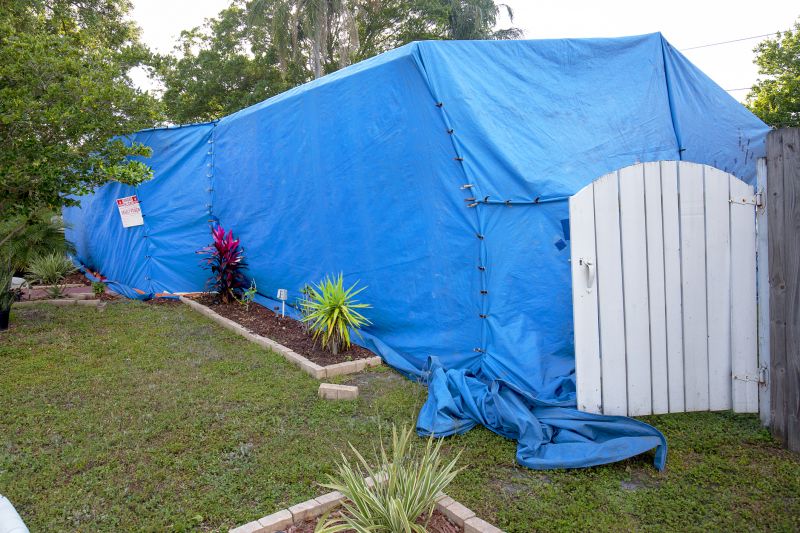


Termite Tenting Questions
What is termite tenting? Termite tenting involves covering a property with a large tarp and releasing gas to eliminate termites throughout the structure.
When is tenting recommended? Tenting is typically used when there is a widespread termite infestation inside the building.
How should property owners prepare for tenting? Preparation usually includes removing food, plants, and pets from the property and following specific instructions to ensure safety.
Is tenting suitable for all types of buildings? Tenting is most effective for residential homes and certain commercial structures, depending on construction and infestation extent.
Request Termite Tenting in San Antonio, TX
Use the quote form on this page to share the basics of your project and request more information for the type of work you need.