Compare Local Contractors for Residential Pest Control Services
Compare local contractors for residential pest control to clarify scope, verify experience, and set clear expectations before choosing the right service provider.
Residential pest control contractors typically offer a range of services aimed at identifying, managing, and preventing common household pests such as ants, cockroaches, termites, rodents, and other unwanted critters. Their work often includes inspecting the property to locate pest activity, applying targeted treatments, and implementing preventative measures to reduce future infestations. Many contractors also provide advice on sanitation and structural issues that may attract pests, helping property owners maintain a pest-free environment over time.
Clearly defining the scope of work is essential when working with residential pest control service providers. A well-outlined scope helps ensure that both parties understand the specific problems to be addressed, the areas to be treated, and the methods to be used. Establishing these details in writing can prevent misunderstandings, set realistic expectations, and facilitate a smoother process. It also allows property owners to verify that the contractor’s proposed services align with their needs, whether that involves one-time treatments or ongoing maintenance plans.
Property owners seeking pest control services should compare local contractors carefully to find the best fit for their needs. Factors to consider include the contractor’s experience with similar properties, the range of services offered, and the clarity of their communication regarding scope and procedures. It’s advisable to review written proposals or estimates that specify the work to be performed, and to verify that the contractor’s approach aligns with the property’s requirements. By evaluating these aspects, property owners can connect with service providers capable of delivering effective and reliable pest management tailored to their residential setting.
Compare local contractors by outlining your pest control needs, verifying experience, and setting clear expectations in writing.
- Compare Service Providers - Review multiple local contractors to find the best fit for your residential pest control needs.
- Define Scope of Work - Clearly outline the pest issues and treatment expectations in written agreements.
- Verify Experience and Expertise - Ensure contractors have relevant experience handling residential pest control challenges.
- Set Expectations in Writing - Document service details, responsibilities, and guarantees to prevent misunderstandings.
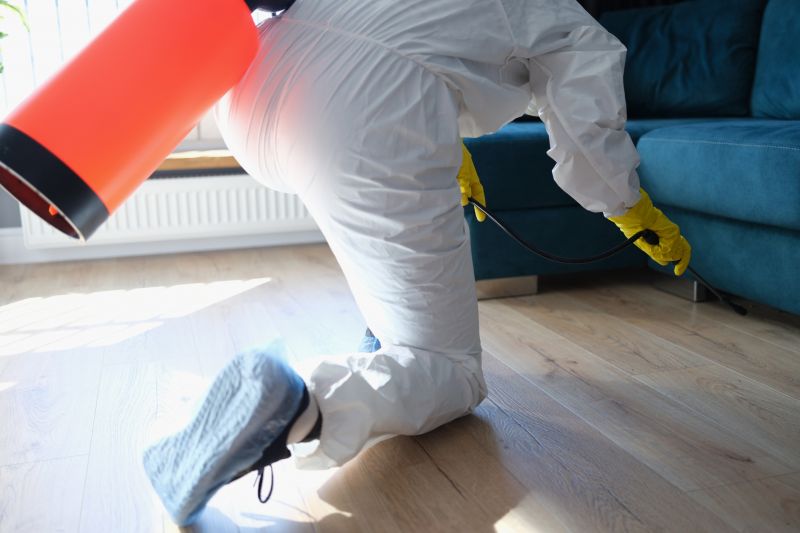
Clearly describe your pest control project and compare local contractors based on experience, scope, and written expectations.
- Verify the experience and reputation of local contractors specializing in residential pest control. - Ensure service providers clearly define the scope of work and pest issues they will address.
- Compare the methods and treatments used by different local contractors to find appropriate solutions. - Confirm that service providers provide written descriptions of the pest control procedures and products involved.
- Check that local pros follow proper safety protocols and use appropriate equipment for residential environments. - Review the warranties or guarantees offered in writing to understand coverage and limitations.
- Assess the communication and transparency of contractors regarding their procedures and what to expect during treatment. - Make sure the scope of work and terms are detailed in a written agreement before work begins.
- Look for local service providers who have experience handling specific pest issues common in residential settings. - Ensure contractors can provide references or proof of past work related to residential pest control.
Compare local contractors, clarify scope, verify experience, and document expectations to ensure a successful pest control project.

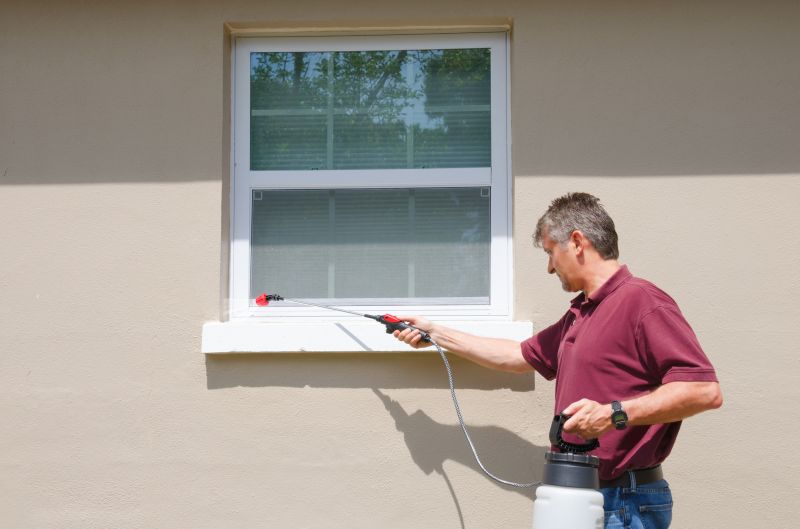
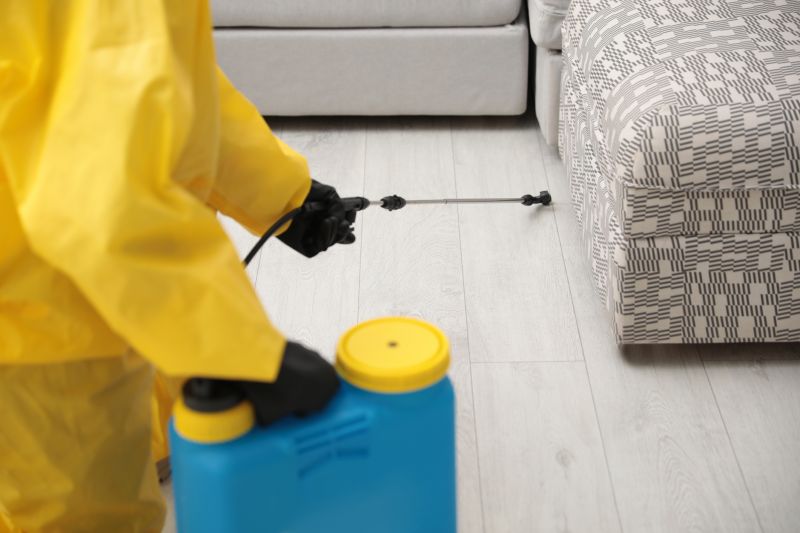

This scope builder helps compare residential pest control contractors by defining work, verifying experience, and setting clear expectations without prices.
- Scope Definition - Clearly outline the specific pest issues and areas to be treated in the residential property.
- Experience Verification - Confirm that service providers have relevant experience handling pest control in residential settings.
- Methodology Clarification - Specify the pest control methods and products that will be used during the treatment process.
- Service Expectations - Document the scope of work, including what is included and any limitations of the service.
- Written Agreement - Ensure all scope details, responsibilities, and expectations are documented in a formal agreement.
When comparing contractors for residential pest control, it’s important to evaluate their experience with similar projects. Look for service providers who have a proven track record of handling pest issues specific to residential settings comparable to the home in question. This can include experience with common household pests such as ants, cockroaches, rodents, or termites. Contractors with relevant experience are more likely to understand the unique challenges of residential environments and apply effective solutions based on previous work.
A clear and detailed written scope of work is essential when assessing potential service providers. This document should outline the specific pest issues to be addressed, the methods or treatments to be used, and any follow-up procedures or inspections. Having a well-defined scope helps set accurate expectations and ensures that both parties are aligned on what the service will include. Avoid contractors who provide vague or overly broad descriptions, as clarity at this stage can prevent misunderstandings later on.
Verification basics involve confirming that contractors have the necessary background to perform residential pest control effectively. This includes asking for details about their experience, the types of pests they commonly treat, and the approaches they typically employ. It’s also helpful to verify that they follow industry standards for safety and application procedures. While licensing and certification are not the focus here, understanding a contractor’s familiarity with local pest issues and their methods can help gauge their competence and reliability.
When evaluating options, consider how each contractor communicates their approach and scope in writing. Look for detailed proposals or descriptions that clearly outline the work involved. Comparing these written documents allows for a better understanding of each service provider’s approach and helps identify the level of professionalism and thoroughness. This process ensures that the chosen contractor can meet the specific needs of the home and provides a solid foundation for a successful pest control service.
Ask contractors to provide written descriptions of the scope of work to ensure clear understanding and consistent expectations.
- Scope of Services - What specific pest control services are included and are there any limitations?
- Experience and Expertise - How long have the service providers been handling residential pest control and what types of pests have they managed?
- Treatment Methods - What techniques and products do the contractors typically use, and are they suitable for residential settings?
- Warranties and Follow-up - Do the contractors offer any guarantees or follow-up treatments if pests return?
- Written Agreement - Is the scope of work and expectations clearly documented in a written contract?
How can I compare residential pest control contractors? Comparing contractors involves reviewing their scope of services, verifying experience in handling specific pests, and checking for clear, written agreements to understand what is included.
What should I consider when defining the scope of pest control work? Clearly outline the pests to be addressed, the areas to be treated, and any specific concerns to ensure the contractor’s proposal matches your needs.
How can I verify a contractor’s experience with residential pest control? Ask for details about their background, types of pests they have handled, and the methods they typically use to ensure they have relevant experience.
Why is it important to have the scope of work in writing? Having a written agreement helps set clear expectations, prevents misunderstandings, and provides a record of the agreed-upon services.
What questions should I ask a contractor before hiring? Inquire about their experience, the methods they use, the areas they cover, and whether they can provide a detailed written plan of the work.
How can I ensure the contractor’s services meet my needs? Review their scope of work, verify their experience, and confirm that all details are documented in a written agreement before proceeding.
This overview has highlighted key points to consider when choosing contractors for residential pest control. Understanding how to compare local service providers, define the scope of work, verify experience, and set clear expectations in writing can help ensure the job is handled effectively. Taking these steps can lead to a more informed decision and a smoother process.
Utilizing the quote form allows for easy comparison of local contractors, helping to identify options that align with specific needs. By gathering information and reviewing details, it becomes simpler to connect with service providers capable of managing pest control tasks efficiently.